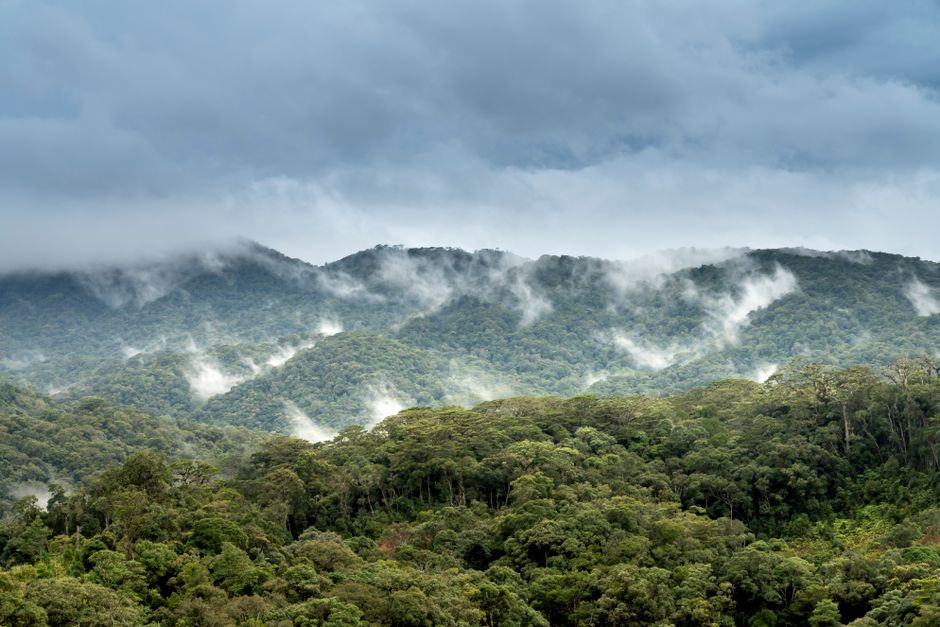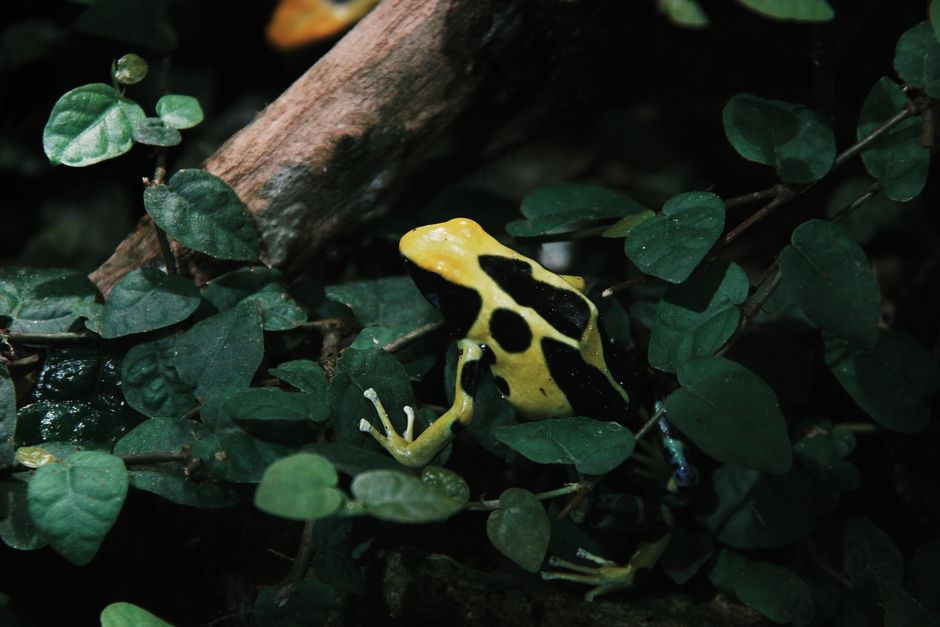
The rainforest canopy is one of the most dynamic and complex layers of tropical forests. Stretching high above the forest floor, it forms a continuous roof of leaves and branches that hosts a significant portion of the planet’s biodiversity. Understanding its structure, ecological functions, and the life it supports provides a window into the health of entire ecosystems. This article explores the layered architecture of the canopy, its influence on global climate patterns, and the remarkable organisms that have evolved to thrive in this treetop environment.
For many, the rainforest canopy remains an unseen frontier. It was only in recent decades that researchers began to systematically study this aerial habitat using canopy walkways, cranes, and climbing techniques. What they discovered is a world that is both distinct from and interconnected with the forest floor. The canopy is not a single uniform layer but a mosaic of microhabitats, each with its own conditions of light, humidity, and temperature. By examining these layers, we can better appreciate how the canopy functions as a whole and why its preservation is critical for both local and global environments.
The Structure of the Canopy: A Layered Realm
The rainforest canopy is typically described as comprising several distinct vertical layers, each with unique characteristics. The understory, the lowest level, receives only a small fraction of sunlight, leading to a sparse assortment of shade-tolerant plants. Above this, the main canopy layer—often 20 to 30 meters above the ground—forms a dense, interlocking network of branches and leaves. This is where the majority of photosynthesis occurs, and it serves as the primary interface for gas exchange between the forest and the atmosphere. The emergent layer rises even higher, with occasional trees protruding above the canopy, exposed to stronger winds and more intense solar radiation.
Each layer presents unique challenges and opportunities for the species that occupy them. For instance, the main canopy is a high-light environment, but it is also subject to rapid changes in temperature and humidity. Plants and animals here have adapted to these fluctuations in various ways. Epiphytes, such as orchids and bromeliads, grow on the surfaces of trees, obtaining moisture from the air and rainfall. Their root systems cling to bark, and they play crucial roles in supporting food webs by intercepting nutrients from decomposing leaf litter. The structural diversity of the canopy—ranging from flat leaf surfaces to intricate branch forks—creates a complex three-dimensional puzzle that organisms have partitioned according to their needs.
The interaction between layers is not static. Animals like monkeys and birds move between the understory and the canopy, facilitating seed dispersal and pollination. Falling branches and leaves from the canopy contribute to the nutrient cycle of the forest floor. Thus, the canopy is not isolated but functions as an integral part of the entire rainforest ecosystem. Research has shown that the health of the canopy can influence species populations on the ground, highlighting the interconnectedness of all layers.
Canopy and Climate Regulation: A Global Connection
The role of the rainforest canopy extends far beyond local ecology; it is a major player in global climate regulation. Through the process of photosynthesis, canopy trees absorb carbon dioxide from the atmosphere and store carbon in their biomass. This carbon sequestration helps mitigate the greenhouse effect. Moreover, the canopy regulates the water cycle by releasing water vapor through transpiration. This moisture contributes to cloud formation and precipitation, affecting weather patterns not only locally but also across continents. For example, the Amazon Rainforest is known to generate a significant portion of its own rainfall through this process.
The density and extent of the canopy also influence surface albedo—the amount of solar radiation reflected back into space. A dense canopy reflects a certain fraction of sunlight, whereas a fragmented forest may absorb more heat, contributing to changes in local and regional temperatures. Deforestation and canopy degradation disrupt these processes, leading to reduced evapotranspiration, altered rainfall patterns, and increased carbon emissions. Understanding the precise mechanisms of canopy-climate interactions is essential for modeling future climate scenarios and for designing effective conservation strategies.
It is important to note that the effects of canopy loss are not uniform across regions. The impact depends on multiple factors, including forest size, tree species composition, and regional climate patterns. Researchers use satellite data and ground-based measurements to monitor canopy health and to assess how changes in its structure may affect carbon and water cycles. These observations help in evaluating the potential consequences of different land-use practices. However, due to the complex, dynamic nature of these systems, predictions must be made with caution, as many variables interact in ways that are not yet fully understood.
A Haven for Biodiversity: Species of the Treetops
The canopy is home to a staggering diversity of life, often surpassing that of the forest floor. It is estimated that a significant proportion of rainforest species reside in the canopy, including insects, birds, mammals, reptiles, and plants. This biodiversity is not randomly distributed; it is structured by factors such as light availability, food resources, and microclimatic conditions. For instance, many species are specialized to particular canopy zones. Some birds, like the harpy eagle, hunt in the emergent layer, while others, such as certain species of hummingbirds, are more commonly found in the lower canopy where flowering plants are abundant.
In addition to animals, the canopy supports a wide range of plant life. Epiphytes, lianas, and hemiepiphytes contribute to the overall biomass and provide habitats for many organisms. These plants often have mutualistic relationships with animals that pollinate their flowers or disperse their seeds. For example, figs, which are a keystone resource in many rainforests, rely on specific wasps for pollination. The wasps, in turn, depend on the figs for breeding sites. Such intricate interactions highlight the fragility of the ecosystem; the loss of one species can have cascading effects on others.
Scientific exploration of the canopy has revealed new species at an astonishing rate, indicating that our knowledge of this realm is still incomplete. Researchers employ techniques such as canopy fogging—using insecticidal fog to collect arthropods—to survey diversity. These studies not only catalogue species but also provide insights into how communities assemble and how they may respond to environmental changes. Conservation efforts are increasingly focusing on preserving the canopy as a whole, recognizing that its integrity is key to maintaining the richness of life in tropical forests.
Conservation and the Future of Canopy Ecosystems
Given the canopy’s vital roles, its conservation is of paramount importance. Threats to the canopy include logging, deforestation for agriculture, and climate change. Logging often removes the tallest trees, which are crucial components of the emergent layer, while fragmentation isolates canopy habitats, making them more vulnerable to edge effects such as increased wind and light penetration. Climate change poses additional challenges by altering temperature and precipitation patterns, which can stress canopy species and disrupt ecological interactions.
Conservation strategies must therefore address both the direct and indirect factors affecting canopy health. Protected area networks that encompass large, contiguous forests are essential to maintain canopy continuity. Additionally, sustainable land-use practices, such as agroforestry and selective logging, can mitigate some of the negative impacts. Restoration efforts that focus on replanting native tree species can help reestablish canopy structure over time, although the recovery of full biodiversity can take decades or even centuries.
Research and monitoring are also critical components of effective conservation. Long-term studies of canopy ecosystems can reveal trends in species populations and forest dynamics, enabling adaptive management. Moreover, engaging local communities in conservation initiatives ensures that their livelihoods are considered and that they become stewards of the forest. While it is not possible to guarantee specific outcomes, a combination of protective measures, scientific research, and community involvement offers the most promising pathway to preserving these irreplaceable ecosystems.
In summary, the rainforest canopy is a multifaceted environment that plays a crucial role in biodiversity support and climate regulation. Its intricate structure, from the understory to emergent trees, creates a mosaic of habitats that harbor an immense variety of life. The canopy’s influence on global carbon and water cycles underscores its significance beyond regional boundaries. Yet, this vibrant world faces mounting pressures from human activities and environmental changes. By fostering a deeper understanding of the canopy and implementing informed conservation actions, there is hope for its continued existence. Individual and collective efforts, guided by science and grounded in respect for nature, are essential to safeguard this vital part of our planet.