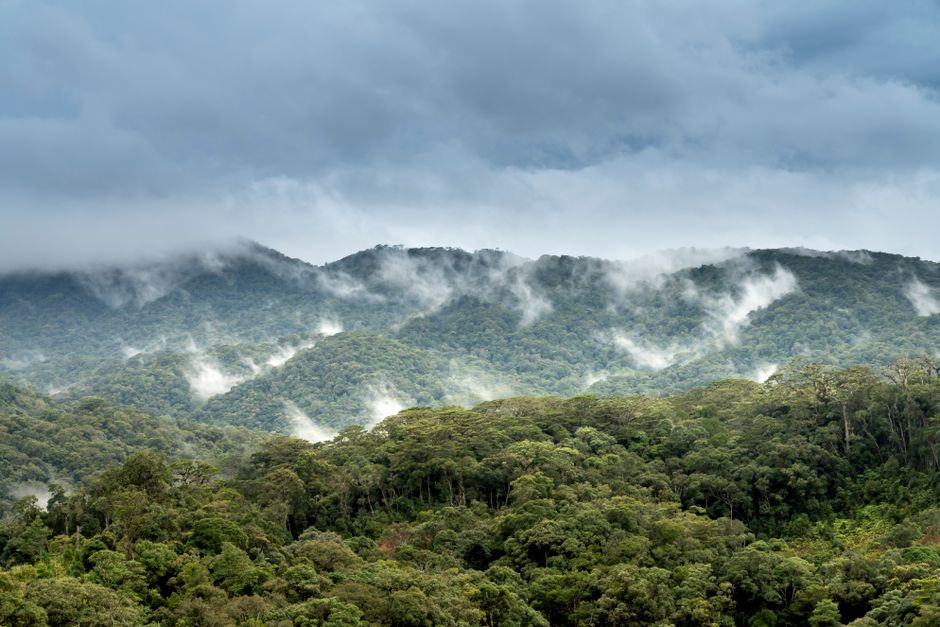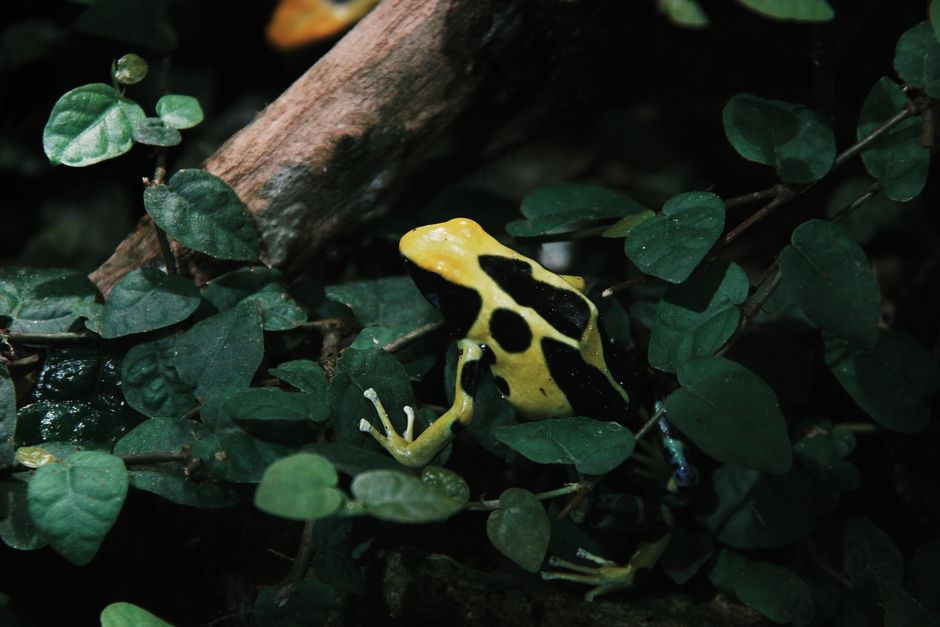
The Amazon rainforest is home to an astonishing diversity of amphibians, including some of the most toxic creatures on Earth. For nature enthusiasts and researchers alike, the ability to distinguish between harmless frogs and those that pose a risk is a valuable skill. This guide provides a structured approach to identifying poisonous frogs based on their physical characteristics, behavior, and habitat. It also outlines safe observation practices to ensure that both the observer and the frogs remain unharmed.
It is important to note that frog toxicity is a complex subject. The presence of toxic compounds in a frog’s skin is influenced by various factors, including diet and environmental conditions. Therefore, this guide focuses on general patterns and widely recognized indicators, while emphasizing that caution is always advisable when encountering any brightly colored amphibian in the wild.
Understanding Frog Toxicity
Frog toxicity arises from powerful alkaloid compounds that many species sequester from their prey, such as ants, mites, and beetles. These toxins are stored in specialized skin glands and serve as a chemical defense against predators. It is crucial to understand that a frog’s toxicity is not a fixed trait but can vary among populations and individuals, depending on their diet and habitat.
The potency of these toxins ranges from mild irritants to substances that can be lethal to humans. The most famous family, Dendrobatidae, includes the poison dart frogs, which are known for their high toxicity. However, not all members of this family are equally toxic, and some non-toxic frogs may mimic their appearance to deter predators. Therefore, relying solely on bright colors can be misleading, and a comprehensive identification approach is necessary.
Key Physical Features to Observe
Color and Pattern
One of the most conspicuous traits of many poisonous frogs is their bright coloration, a phenomenon known as aposematism. These colors—often vibrant reds, oranges, yellows, blues, and greens—serve as a clear warning to potential predators. However, the presence of bright colors alone is not sufficient for identification, as some non-toxic species have evolved to imitate these signals (Batesian mimicry). Thus, it is essential to examine other features in combination.
In the Amazon, several species display distinct patterns, such as the blue-spotted or banded patterns on a dark background. For instance, the blue poison dart frog (Dendrobates tinctorius) exhibits striking blue and black patterns, while the golden poison frog (Phyllobates terribilis) is uniformly bright yellow or orange. Observing the arrangement and extent of these patterns can provide initial clues, but confirmation should be based on multiple characteristics.
Size and Body Shape
Size is another helpful indicator. Many toxic frog species are relatively small, measuring between 1.5 to 5 centimeters in length. They often have slender bodies and long, slender limbs, adapted for climbing and jumping among the forest understory. In contrast, some non-toxic species may be larger and bulkier. However, there are exceptions, so size should be considered alongside other features.
Additionally, the shape of the digits (toes) can be informative. Many poisonous frogs have expanded toe pads that aid in arboreal locomotion. These pads are typically wider and more distinct than those of terrestrial frogs. Observing the presence and size of these pads can be a useful field mark.
Skin Texture and Secretions
While handling frogs is strongly discouraged, careful observation of the skin’s texture from a distance can yield clues. Toxic frogs often have smooth, moist skin, which may appear slightly glossy due to the presence of toxic mucus. Some species have a granular texture on their backs, while others are smooth. It is important to note that skin texture can be similar across both toxic and non-toxic species, so this trait alone is insufficient.
Any observation of secretions should be done with extreme caution and ideally from a distance, as these secretions are the very delivery system for the toxins. Never touch a frog, as even contact with a mildly toxic species can cause skin irritation or more severe reactions in sensitive individuals.
Habitat and Geographic Distribution
Knowing where in the Amazon you are exploring can narrow down the possibilities. Different species have specific ranges and microhabitat preferences. For example, poison dart frogs are typically found in the leaf litter of the forest floor or on low vegetation. Some species prefer areas near streams, while others inhabit tree canopies. By familiarizing yourself with the local fauna, you can better anticipate which frogs you might encounter.
It is also beneficial to consider the time of day. Many poisonous frogs are diurnal, meaning they are active during the day, which contrasts with many other frog species that are nocturnal. This behavioral trait can be a helpful indicator, as you are more likely to spot a toxic frog during daylight hours. However, some toxic species are crepuscular or nocturnal, so this is not a definitive rule.
Safe Observation Practices
When observing frogs in their natural habitat, maintaining a respectful distance is paramount. Use binoculars or a zoom lens on a camera to get a closer view without disturbing the animal. This practice not only protects your safety but also minimizes stress on the frog, which can be harmful to its health.
Never attempt to touch or handle any frog, regardless of its appearance. Even frogs that seem harmless may have defensive secretions that can cause discomfort or allergic reactions. Additionally, handling can damage the frog’s delicate skin and transmit diseases from human hands. If you are in a group, set clear guidelines for everyone to follow, emphasizing the importance of non-intrusive observation.
Wearing appropriate gear, such as long pants and closed-toe shoes, can provide a barrier against accidental contact. It is also wise to wash your hands thoroughly if you inadvertently come into contact with any surface where a frog has been, though the primary rule is to avoid contact altogether.
Common Poisonous Frogs in the Amazon
The Amazon hosts an impressive array of toxic amphibians, each with unique characteristics. Three notable groups are the Dendrobatidae (poison dart frogs), the Bufonidae (true toads), and some members of the family Mantellidae, although the latter is more common in Madagascar. Among the Dendrobatidae, the genus Phyllobates includes some of the most toxic species, such as the golden poison frog, which can carry enough toxin to affect multiple humans. However, this species is restricted to the Chocó region of Colombia and is less common in the Amazon basin.
In the Amazon proper, you may encounter species like the green-and-black poison dart frog (Dendrobates auratus), the yellow-banded poison dart frog (Dendrobates leucomelas), and the blue poison dart frog (Dendrobates tinctorius), each with distinctive coloration. It is beneficial to consult field guides specific to the region you are visiting, as they provide detailed illustrations and descriptions that can aid in identification.
Another group to be aware of is the toads of the genus Rhinella, which include species like the cane toad (Rhinella marina). While not as deadly as poison dart frogs, these toads produce bufotoxins that can cause serious harm if ingested or if their secretions come into contact with mucous membranes. They are often larger and have prominent parotoid glands, which are visible swellings behind their eyes.
Ethical Considerations and Conservation
Observing poisonous frogs is a privilege that comes with responsibility. By maintaining a safe distance and avoiding any disturbance, you contribute to the conservation of these species, many of which face threats from habitat loss and climate change. Brightly colored frogs are often targeted for the illegal pet trade, and flashes of interest can inadvertently increase this pressure. Therefore, it is crucial to promote ethical wildlife tourism that prioritizes the well-being of the animals and their environment.
Furthermore, understanding the ecological roles of these frogs underscores their importance. They are both predators of small invertebrates and prey for specialized snake species. Their presence indicates a healthy ecosystem. By learning to identify them safely, you become an advocate for their preservation, sharing knowledge that encourages others to appreciate rather than exploit them.
As with all encounters with wildlife, the golden rule is to observe without interaction. Respect their space, and they will continue to thrive in their natural habitat.
In conclusion, identifying poisonous frogs in the Amazon requires a careful combination of observation skills, knowledge of their biology, and respect for their environment. By focusing on physical features, habitat, and behavior, and by adhering to safe observation practices, you can enjoy these remarkable creatures without unnecessary risk. Remember that every frog plays a vital role in its ecosystem, and our approach to observation should reflect our commitment to their conservation.