Understanding Tropical Rainforest Weather Patterns
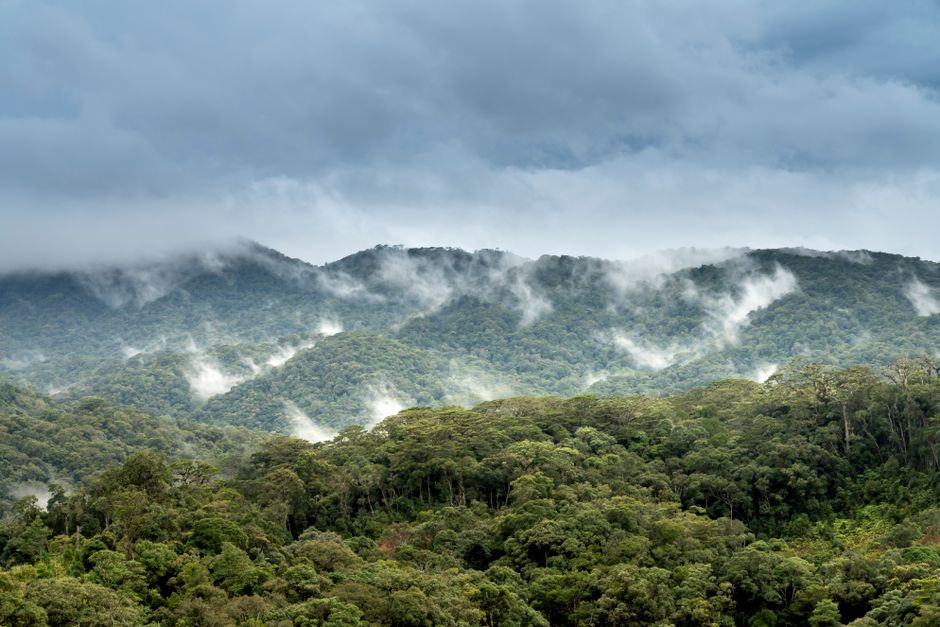
Tropical rainforests are among the most dynamic and complex ecosystems on Earth, characterized by consistent warmth and abundant moisture. Their weather patterns are not static; they follow seasonal rhythms that influence every aspect of life within these forests. This article provides an overview of the key climatic factors—temperature, humidity, and precipitation—and examines how these elements vary throughout the year. It also considers the implications of these patterns for wildlife behavior and for visitors planning to explore these regions.
Understanding the weather in tropical rainforests requires looking beyond simple averages. While temperatures remain relatively stable, the distribution of rainfall across the year defines distinct seasons. These seasons, often referred to as wet and dry periods, shape the forest’s ecology and the activities of its inhabitants. By examining the underlying mechanisms and seasonal variations, travelers and researchers can better appreciate the rhythms that govern these remarkable environments.
Temperature and Humidity: The Constant Baseline
Tropical rainforests experience minimal temperature fluctuation throughout the year, with average monthly temperatures typically ranging between 20°C and 28°C. This stability is a result of their proximity to the equator, where solar radiation is intense and relatively constant. The daily temperature range, however, can be more significant than the annual variation, with cooler nights often providing respite from daytime heat.
Humidity in tropical rainforests is consistently high, often exceeding 80% relative humidity. This moisture is maintained through evapotranspiration, where trees release water vapor into the atmosphere. The combination of warmth and humidity creates a pervasive sense of mugginess, which is a defining characteristic of these environments. For visitors, understanding this baseline helps in preparing for the physical demands of exploring such regions.
Precipitation Cycles: The Heartbeat of the Forest
Rainfall is the most variable climatic element in tropical rainforests, and its distribution defines the seasonal rhythm. In many regions, there are distinct wet and dry seasons, though some forests experience almost continuous rainfall with subtle variations. The wet season is marked by intense and frequent downpours, often occurring in the afternoon or evening, while the dry season sees reduced rainfall, though it rarely becomes completely arid.
These precipitation cycles are driven by large-scale atmospheric patterns, including the Intertropical Convergence Zone (ITCZ). The ITCZ shifts north and south with the sun’s declination, bringing bands of heavy rain to different areas over the course of the year. Additionally, local factors such as topography and proximity to oceans can modulate rainfall patterns, creating microclimates within the forest.
The dry season, despite its name, still supports a lush environment, but the reduced moisture can stress some plants and animals. Conversely, the wet season can lead to flooding, which affects animal movements and human accessibility. Understanding these cycles is crucial for planning any activity within the rainforest, as the seasonal context shapes not only the weather but also the overall experience.
Seasonal Rhythms: Wet and Dry Dynamics
Wet and dry seasons in tropical rainforests are not uniform across the globe; they vary in length and intensity. Some regions have a single wet season and a single dry season, while others may have two of each or experience less pronounced differences. These variations influence the forest’s phenology, such as the timing of flowering and fruiting, which in turn affects wildlife populations.
During the wet season, water is abundant, and many animals breed or expand their territories. Plant growth is rapid, and the forest floor becomes a bustling arena for insects and amphibians. The dry season, on the other hand, may lead to a reduction in available water sources, concentrating animals around remaining rivers and pools. This seasonal shift can provide unique viewing opportunities for travelers, as wildlife gathers in predictable locations.
The interplay between wet and dry periods also affects the forest’s carbon and nutrient cycles. Leaf litter decomposes faster during wet periods, releasing nutrients that fuel new growth. Dry periods slow down decomposition, creating a buildup of organic matter that is quickly utilized when rains return. These cyclical processes maintain the forest’s high productivity and biodiversity.
How Weather Influences Wildlife
The seasonal weather patterns of tropical rainforests have profound effects on wildlife behavior and ecology. Many species have adapted their reproductive cycles to coincide with peaks in food availability, which are often triggered by rainfall. For example, fruiting trees may synchronize their fruit production with the wet season, providing a reliable food source for frugivores during periods of high energy demand.
Animal activity patterns also change with weather. In the wet season, increased cloud cover and rainfall can reduce the heat stress on diurnal species, allowing them to be active for longer periods. Conversely, during the dry season, animals may become more crepuscular or nocturnal to avoid the intense midday sun and to conserve water. Migratory birds and insects may time their movements with the onset of rains, using the favorable conditions for breeding and foraging.
Predator-prey dynamics are similarly influenced. The abundance of prey during wet seasons can support higher densities of predators, while dry seasons may lead to increased competition for limited resources. For researchers and ecotourists, understanding these patterns helps in predicting where certain animals might be found and how they might behave.
Practical Considerations for Travelers
For those planning to visit tropical rainforests, understanding the weather is essential for a safe and rewarding experience. The wet season typically brings more rain, muddy trails, and higher humidity, which can make trekking challenging. It is advisable to pack waterproof clothing and durable footwear, and to plan outdoor activities for the morning, as rain often intensifies in the afternoon.
The dry season may offer easier walking conditions, but it can also mean higher temperatures and increased insect activity. Water sources may become limited, so it is crucial to carry sufficient hydration. Additionally, the dry season can be a better time for observing wildlife concentrated near water sources, but overall biodiversity may be lower as some species become scarce.
Regardless of the season, travelers should be mindful of the forest’s fragile balance. Staying on designated trails minimizes impact and reduces the risk of getting lost. By respecting the weather and the environment, visitors can enjoy the tranquility of the rainforest while contributing to its preservation.
The rainforest’s weather is a rhythm of rain and sun, each phase offering a different perspective on this living tapestry.
In summary, tropical rainforest weather is characterized by stable temperatures, high humidity, and distinct precipitation patterns that define seasonal rhythms. These conditions are not merely meteorological facts; they are the driving force behind the forest’s ecology and the experiences of those who venture within. By understanding these patterns, travelers and researchers can align their activities with the natural cycles, fostering deeper connections and more meaningful explorations.